Sunshine Coast, Queensland | Planning guide
Preparing pool documents for a property sale
A useful pool handover tells the buyer what records exist, what remains unresolved and who can answer each question. This guide helps Sunshine Coast sellers organise that information before a transaction becomes hurried. It does not assess a barrier or decide which legal documents your sale requires.
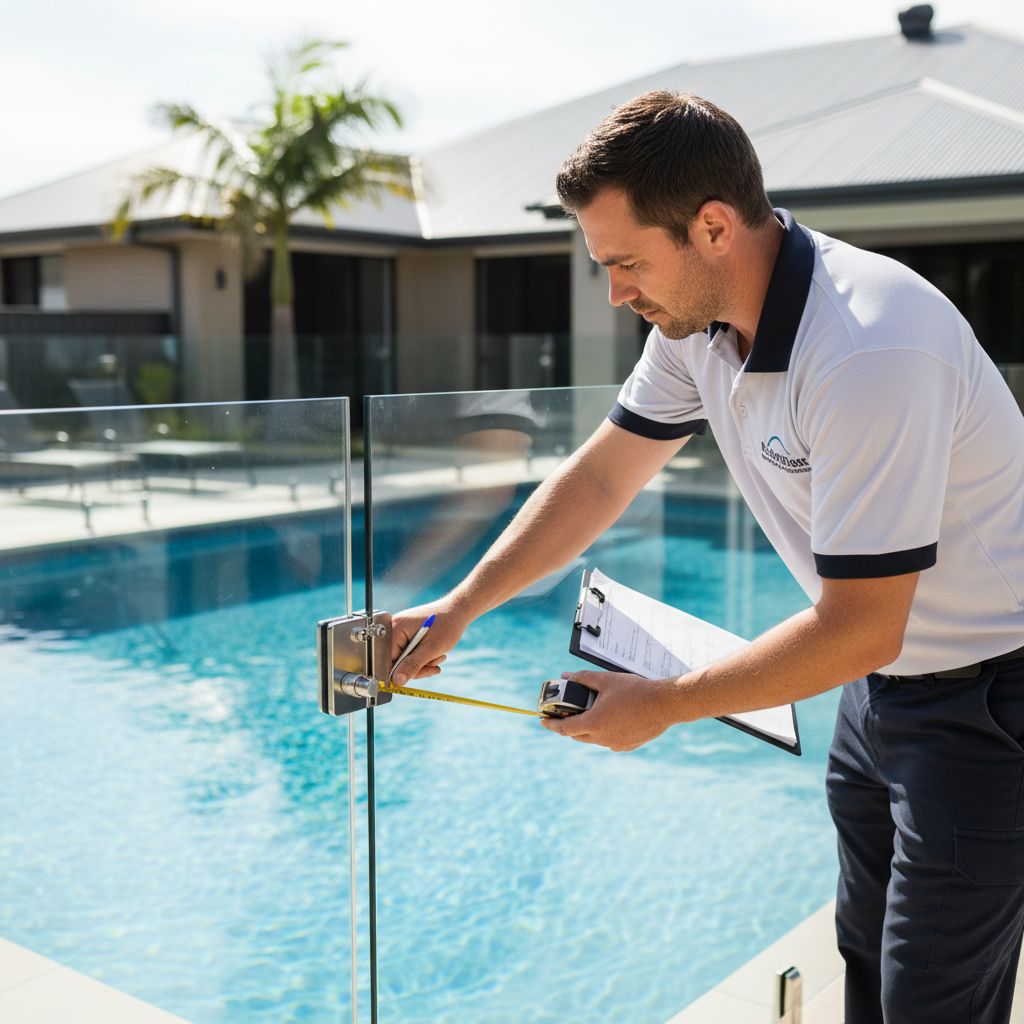
Start with a file that someone else can understand
Create a folder named with the property address and a plain description such as pool sale records. Inside it, separate certificates, inspection correspondence, work records and unanswered questions. Use dates in filenames and keep the original attachments. A screenshot pasted into a message can lose a page or hide the issuer details. If you have only a photograph of a document, label it as a photograph and ask the sender for the complete original. This makes the limitation visible instead of leaving the next person to discover it while preparing another part of the sale.
Write a short cover note explaining who assembled the folder and when. Describe what is included without interpreting the legal effect of each item. For example, say that the folder contains a certificate copy supplied by the previous property manager, rather than declaring that the sale is cleared. Record the person who can answer questions about each document. A buyer's representative should be able to distinguish an inspection record from your own administrative summary without opening every email in a lengthy conversation. Keep that summary factual even when you feel confident about the property's history.
Which property and pool do the documents describe?
Compare the address on the supplied documents with the property being sold. Unit numbers, street numbering changes and names used by holiday accommodation managers can create confusion. Do not silently correct an official document yourself. Record the discrepancy and ask the issuer or your conveyancer how it should be resolved. Where a property has more than one pool or a separate spa, list what is physically present and ask which record relates to which installation. Do not assume that one filename describes every water feature shown in the marketing photographs.
For a unit or townhouse, identify the person who holds the common property pool records. The sales agent may have a copy, while the body corporate manager holds a different version. Request the source document and its date rather than choosing whichever copy looks more recent on your computer. File transfer dates are often simply the dates somebody downloaded or forwarded an attachment. Queensland Government registration guidance explains what information the register contains. Use the register as an official starting point, and send unresolved matching questions to the appropriate professional.
Separate document status from the barrier's condition
Give each file an administrative status that describes what you actually know. Useful labels include received, source being checked, replacement copy requested and awaiting professional explanation. Avoid labels such as passed forever or ready for settlement. Those phrases imply decisions that a filing exercise cannot make. If an owner mentions work completed after the inspection, add a separate dated note instead of assuming the original document covers that change. The person reviewing the file needs to see both the earlier record and the later information.
Keep the inspection question separate from the conveyancing question. The inspector can explain the inspection record and the next steps within their role. Your conveyancer addresses how the pool information affects the particular transaction. QBCC's selling guidance distinguishes shared and non-shared arrangements and explains the document pathways. Read the current guidance with your adviser rather than relying on a generic settlement countdown. This guide deliberately does not calculate a statutory deadline or pronounce a certificate current. A folder can be well organised while a substantive issue still needs attention.
Make missing information a specific request
A missing record is easier to pursue when the request identifies exactly what is absent. Instead of asking an agent for everything about the pool, name the certificate copy, inspection report or correspondence you are seeking. Include the property reference and ask whether the recipient holds the full document or only an extract. If nobody has located it, record that fact. Do not replace a missing document with a confident account of what someone remembers an inspector saying during a visit.
Give each request an owner and a follow-up date agreed by the people involved. This date is an administrative reminder, not a substitute for any legal time limit. If the transaction has a critical date, ask the conveyancer to explain the consequence of the missing record and how to proceed. Keep a dated log of replies so several people do not unknowingly chase the same former manager. When a response supplies something different from what you requested, acknowledge receipt but keep the original question open until it is answered.
Describe completed work without claiming an outcome
Collect invoices or written descriptions for work that may relate to the pool enclosure. Useful information includes who undertook the work, when it was completed and what the contractor says was included. Preserve the wording of the original record. A paid invoice is a record of a commercial transaction; it is not your personal evidence that every inspection matter has been resolved. If the description is vague, ask the contractor for clarification that identifies the actual area and scope without instructing them to issue a compliance statement they cannot provide.
Photographs can help an inspector understand the history, but keep them as supporting records. Label the date, location and reason each photograph was taken. Do not crop out surrounding features to make a change look simpler. If the buyer asks whether a recent gate replacement was approved or inspected, forward that question to the responsible professional and retain the response. Do not use a photograph, retailer description or warranty as a substitute for the relevant professional assessment. Avoid making further alterations just to improve the appearance of a handover pack.
Build your seller handover brief
Choose the current record situation. The brief identifies useful requests without deciding your legal position.
This planner stores nothing and sends nothing. Its output is a document request, not a certificate or transaction approval.
Coordinate the agent, inspector and conveyancer
Tell each participant what decision you need from them. The sales agent may coordinate an appointment or pass documents between parties. The inspector needs an accurate description of the property and any existing inspection history. The conveyancer needs the records relevant to the contract and transfer. Naming these separate tasks prevents a general message copied to everyone from becoming nobody's responsibility. Nominate one person to maintain the master folder, even if several people contribute documents during the sale.
Use a short update when something changes: identify the new attachment, the document it replaces for administrative purposes and any unanswered question. Keep the older record in an archive rather than deleting it. If a conversation happens by telephone, send your own factual note afterwards and invite corrections from the person who gave the advice. Do not describe silence as agreement. For an initial service discussion, the pre-sale inspection page provides the relevant enquiry route, while the legal position of the sale remains a matter for your adviser.
Plan access while the property is being marketed
Inspection access can become difficult when open homes, photography, cleaning and resident routines overlap. Provide the person organising the visit with the correct entry point and an authorised contact who will be reachable. Confirm whether a tenant, caretaker or owner will meet the inspector. Let the booking contact know about pets, locked common areas or work happening beside the enclosure. These details help arrange a visit; they do not authorise entry or allow anybody to interfere with the barrier.
If the property is occupied, have the appropriate owner or manager arrange access through the proper process. Do not tell an inspector to use a spare key merely because you believe the occupant will be away. For properties managed from outside the Sunshine Coast, nominate someone local who has agreed to attend. Keep access codes and key locations out of the broad sale folder. Share them privately with the authorised recipient using the agreed method, and avoid forwarding them with documents that may go to prospective buyers.
Prepare the buyer copy carefully
Before handing over a document bundle, check that the files open and all pages are readable. Place the cover note first, followed by the records in a clear order. Remove unrelated personal material from the bundle, but do not alter official documents to change their meaning. If a file contains sensitive information that concerns you, ask your conveyancer how it should be handled. A tidy filename helps; it should not conceal an unresolved discrepancy about the property, pool or source of the record.
Ask the receiving representative to acknowledge which version they received. Keep a copy of the actual bundle sent, with the date and recipient. This is more reliable than remembering that an attachment went out sometime during a busy week. If a new inspection document arrives later, circulate an explicit update through the agreed transaction channel. State whether the new file adds information or corrects an earlier administrative mistake. Avoid telling the buyer that your handover checklist guarantees safety, removes every obligation or replaces their own professional enquiries.
Handle a late question without rushing to a promise
A buyer may raise a concern after reviewing a photograph, visiting the property or speaking with their adviser. Record the precise question and the evidence they are referring to. If they describe a gate behaving differently, pass that observation to the inspector or responsible property contact promptly. Do not answer by quoting an old certificate or suggesting an improvised adjustment. The immediate condition of a barrier and the contents of the sale folder are separate matters that need the right response.
When timing is tight, provide the factual sequence to your conveyancer: when the question arrived, what records are available and who has been contacted. Ask for advice on the transaction rather than promising a particular inspection result by settlement. An appointment request is not a confirmed booking, and a confirmed booking is not a certificate. Record each stage accurately. If professional advice requires additional records or another visit, update the handover note so the buyer's side receives the same information that the seller's side is using.
Finish with an accountable handover
At the end of the preparation process, read the folder as though you knew nothing about the property. Check that the pool location is understandable, the document sources are identified and outstanding matters have a named contact. Ask whether an unfamiliar reader could tell which attachments are official records and which are your own notes. This final administrative review should take place before sharing a revised bundle, especially where an agent has combined attachments from several earlier messages.
Retain your copy of the correspondence and supplied documents in line with advice for the transaction. Keep private access details separate from that archive. The handover planner on this page helps produce a short request brief for missing information; it does not produce the legal handover itself. Use the result to prepare your next conversation and then obtain the actual records from their proper sources. A clear file gives professionals a better starting point and gives both parties a traceable account of what was provided, when it was provided and what still needs an answer.
Consider a simple example: the owner has a certificate attachment, the agent has a repair invoice, and the buyer has asked whether a later landscaping change was considered. The useful handover contains all three pieces of information and directs the last question to the inspector. It does not quietly remove the question because the first two documents look complete. If the inspector needs another visit, the conveyancer can consider that information alongside the transaction dates. Recording the sequence keeps the property history understandable without turning the seller into the person making a technical assessment.
| Record group | Administrative check |
|---|---|
| Certificate or register information | Keep the full source copy and raise property matching questions. |
| Inspection correspondence | Preserve dates, attachments and unresolved questions. |
| Work records | Describe the work without declaring a compliance result. |
| Buyer bundle | Record the exact version and recipient. |