Sunshine Coast, Queensland | Planning guide
Arranging inspection access around residents and pets
An inspector needs an agreed way to enter the property and reach the areas included in the visit. Residents need to know what is happening, and pets need arrangements their responsible adult can manage. Plan these details before the appointment rather than leaving them to the arrival call.
Confirm permission before discussing convenience
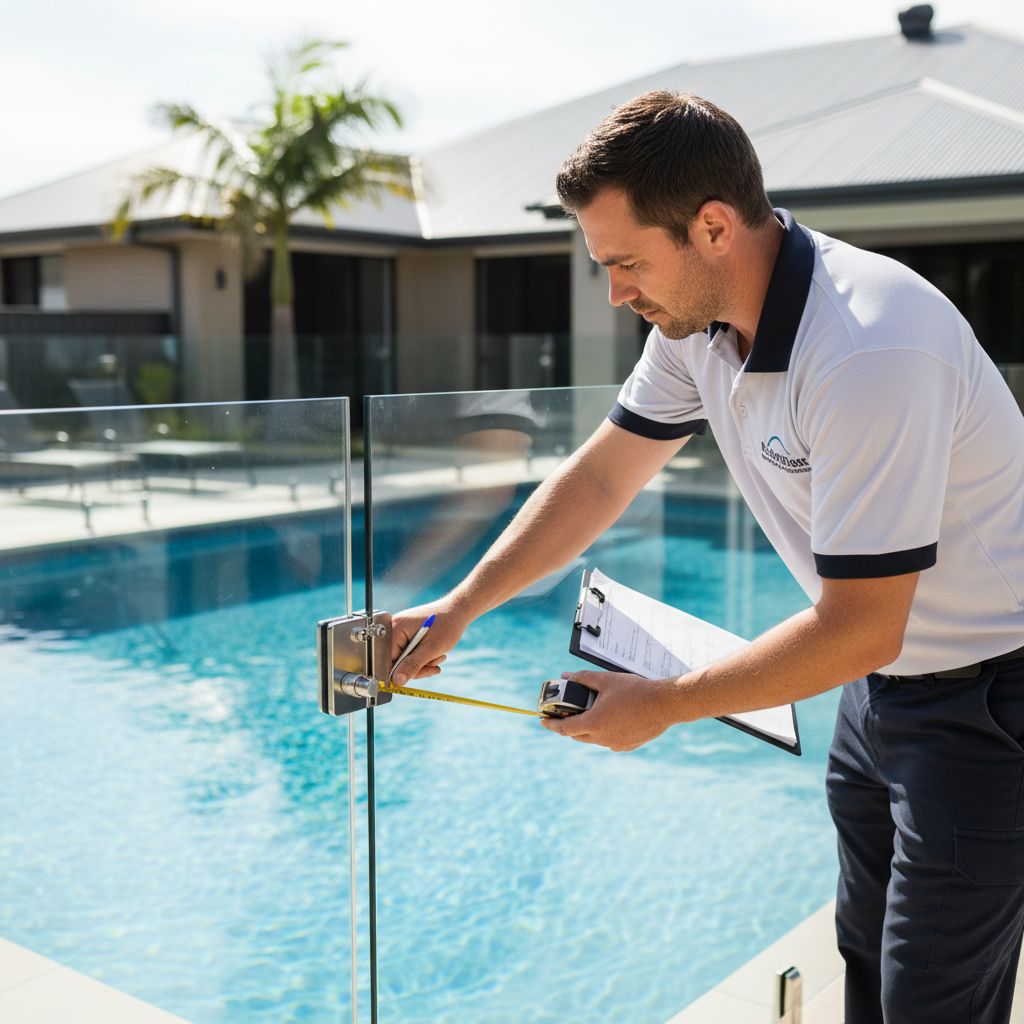
Identify who can authorise entry and who will arrange it through the proper process. Ownership, tenancy and management arrangements can affect who needs to be involved. A booking enquiry is not permission to enter an occupied property. If an agent or manager is coordinating, ask them to confirm the applicable access arrangements with the resident. Do not assume that an owner supplying a key removes the need to address the occupant's position or the property's management procedures.
Record the agreed appointment details separately from any formal notice or permission required for entry. This guide does not prescribe notice periods or decide whether an entry arrangement is lawful. Ask the appropriate property professional if that is uncertain. The practical objective is to avoid an inspector arriving at a home where the resident has not agreed to the arrangements or where the onsite host believes someone else has handled permission. Keep the name of the responsible contact with the appointment so a change can be resolved quickly.
Explain which areas need to be accessible
Ask the inspector what access they need for the proposed scope. Describe the route from the agreed meeting point and mention gates, common areas or other controlled entries. A person familiar with the property may overlook a locked side passage because they always use another entrance. Explain restrictions before confirming the visit rather than expecting the inspector to find a way around them. Never suggest climbing over a fence, entering a neighbour's property without permission or using a private area outside the agreed arrangement.
If different people control different areas, identify each person and obtain the appropriate arrangement through the organiser. Tell the inspector when part of the requested area cannot be accessed. They can explain how that limitation affects the visit or whether a different arrangement is needed. Do not claim the inspection will be complete simply because the pool itself can be seen. A useful access plan describes the actual permissions and physical route without attempting to decide which inspection elements can safely be omitted.
Choose a host who has accepted the job
Nominate an adult contact who has agreed to meet the inspector or provide the authorised access arrangement. Confirm that the person knows the property, can be reached at the appointment time and understands the limits of their role. An agent named in an old email may no longer manage the address. A neighbour with a spare key may be willing to help but may not be authorised to discuss the engagement or permit access to every relevant area.
Give the host a concise briefing: the appointment reference, the agreed meeting point, the inspector's contact arrangements and the person to call if a decision is required. Do not expect the host to answer technical questions about work they did not commission. They can connect the inspector with the owner or contractor who holds the information. For properties whose owners live outside the Sunshine Coast, confirm the local host directly rather than relying on the owner's assumption that someone will be available when the inspector arrives.
What should residents know beforehand?
Provide a clear explanation of the visit, the agreed attendance arrangements and the contact for questions. Residents should know whether they need to meet the inspector, provide access to an agreed area or coordinate an ordinary activity. Avoid making promises about the duration or outcome unless the provider has actually confirmed the relevant detail. A proposed appointment window should remain described as proposed until accepted. If the booking changes, use the same communication channel to make the change clear.
Consider whether the resident needs information in a different format or language, and ask how they prefer to receive the practical details. Explain who is attending without claiming credentials or affiliations that have not been checked. If there are children at home, their responsible adult should make the household arrangements; the inspector is attending to perform the inspection, not to supervise the household. An access plan is an organisational document. It cannot guarantee that children or other occupants will be safe and does not replace their normal supervision arrangements.
Agree pet arrangements with the responsible adult
Ask the occupant whether pets will be present, including animals temporarily staying at the property. Give the inspector an accurate description of any access issue the pets may create and ask what arrangements they need for attendance. The person responsible for the animals should agree and manage suitable arrangements. Do not assume the inspector will handle, restrain or move a pet. Do not describe an animal as harmless as a substitute for making a practical plan that everyone understands.
Keep pet arrangements independent of the pool enclosure. Do not use the enclosure as a convenient holding area for animals during the visit or leave pool gates open to move them between spaces. If the resident cannot provide the agreed arrangement, tell the booking contact before attendance and discuss the next step. Avoid giving a stranger instructions to improvise with unfamiliar animals. The useful information in the access brief is who will manage the pets and what still needs agreement, rather than a promise that the animal will behave a particular way.
Build your inspection access brief
Choose who will host the visit, the pet arrangement and the access complication that needs discussion.
The organiser must confirm these arrangements with the people involved. This tool grants no entry permission and makes no safety guarantee.
Share keys and codes only with authorised people
Use the property's established process for keys, access cards and codes. Confirm who may receive them, how they will be supplied and how any physical item will be returned. Keep these details out of resident group messages, sale document bundles and broadly copied appointment emails. A message can identify the person holding a key without disclosing where every spare is kept. Ask the host to resolve any uncertainty with the authorised owner or manager before the inspector travels.
If an access instruction changes, withdraw the old instruction through the appropriate management process and provide a clear replacement to the authorised recipient. Do not leave two conflicting routes in different message threads. For an unattended arrangement that has been properly authorised, ask the provider whether it is acceptable and what confirmation they need. Never infer acceptance from silence. An unlocked external entrance does not mean every internal or common area is authorised for entry, and access credentials should never be treated as general permission to use the property.
Coordinate deliveries, trades and ordinary routines
Ask whether gardeners, cleaners, pool maintenance workers or delivery drivers are expected around the inspection time. Explain any overlap to the inspector and the onsite host. A contractor may have a regular schedule that is not written in the resident's calendar, so seek a direct confirmation where their work affects the access route. If work near the enclosure is underway, describe the actual position and ask how it affects the proposed visit. Do not hide the overlap to preserve a preferred appointment time.
Do not prepare for the inspection by altering barrier components or arranging an improvised repair. If an existing report or proposed change is involved, provide that information through the professional process. The barrier change briefing guide helps organise the relevant questions. For ordinary household scheduling, agree who will answer the arrival call and how interruptions will be handled. The inspector needs a workable arrangement that respects the occupants and the scope of the visit, rather than several people assuming they can sort it out on arrival.
Plan for weather, delays and changed circumstances
Ask the booking contact how to communicate if the host is delayed, weather affects access or the property circumstances change. Sunshine Coast rain can complicate an agreed route or coincide with other work, but only the provider can confirm how a particular appointment should proceed. Give factual information rather than declaring conditions suitable on their behalf. Keep the contact method accessible to the person actually attending the property, not only to an owner checking messages from elsewhere.
If a visit needs to be rearranged, confirm the revised details with everyone whose participation matters. Update residents, the host and any manager through the agreed channels. Check whether earlier access instructions still apply rather than automatically carrying them into the new appointment. Do not assume a rescheduled visit changes an obligation connected to a sale, tenancy or inspection report. Refer those questions to the relevant professional. The attendance plan controls communication about the visit; it does not determine legal timeframes or extend them.
What should the host do when the inspector arrives?
Meet at the agreed place and provide access within the authorised arrangement. Have the relevant report or property reference available if requested, and explain any change that occurred after the booking discussion. If a restriction has arisen, state it directly and contact the organiser. The host should not force entry, defeat a lock or alter a gate to make the plan work. Ask the inspector how the limitation should be addressed through the proper process.
During attendance, keep household and pet arrangements with their responsible adult. The host can facilitate communication without interrupting the inspection to request an informal verdict on every feature. If the inspector needs information the host does not have, connect them with the named owner, manager or contractor. QBCC's inspection guidance describes the professional role. Ask about written findings and the next administrative steps through that role rather than treating a casual comment during access coordination as the final outcome.
Confirm departure and retain the useful record
Agree how the host and inspector will confirm that the visit has ended and how keys or access items will be returned. Follow the property's normal management arrangements for checking authorised entry points afterwards. Do not turn that administrative check into a compliance verdict or use it to promise ongoing safety. If anything about access or the enclosure concerns the responsible person, seek appropriate professional advice promptly. The fact that a visit occurred does not answer every question about the present condition.
Keep the appointment reference, attendance details and any reported access limitation with the relevant property records. Store private credentials separately and limit their circulation. If another visit is required, review the access plan instead of assuming the same host, pet arrangement and permission remain available. The return inspection guide addresses the separate task of organising report and work records. Combining a clear appointment plan with the correct documents helps the organiser make a useful request without claiming the visit will produce a particular certificate or result.
A practical example is a tenanted home where the owner is interstate, the property manager holds the keys and a resident has a dog. A useful brief identifies the manager's access process, the resident's agreed pet arrangements and the person meeting the inspector. Saying keys available leaves the other questions unanswered. The tool above draws those separate tasks into one visible brief, which you can use in a conversation with the responsible people. It sends no messages and does not make a booking.
Review the plan with the actual participants
Read the completed brief to the people expected to act on it and ask them to correct anything that does not match their understanding. A planner selection records your intention, not their agreement. If the manager thought the owner would attend while the owner expected the resident to host, resolve that difference before confirming access with the provider. Keep the final arrangement short enough that the attending person can use it on the day without reading an entire email history.
Remove assumptions as they become visible. Confirm a meeting point rather than writing usual entrance, and identify a reachable contact rather than the office in general. For controlled common areas, explain which representative will provide access. If none of those arrangements is confirmed, the right result is a clear outstanding task, not a green tick. The preparation brief remains useful precisely because it shows what has to be settled before the visit can be arranged reliably.
| Arrangement | Person to confirm it |
|---|---|
| Entry permission | Appropriate owner, manager or authorised representative |
| Arrival and meeting point | Agreed onsite host |
| Pets and household routines | Responsible resident or adult |
| Scope and attendance limitations | Inspecting professional |
| Changed appointment | Booking contact and all affected participants |