Sunshine Coast, Queensland | Planning guide
Briefing a professional about a pool gate or fence change
Before ordering a replacement gate, changing a fence or planning work beside a pool enclosure, describe the proposal to an appropriate professional. A good brief explains the existing setting, the reason for the change and the questions that need answering before anyone starts work.
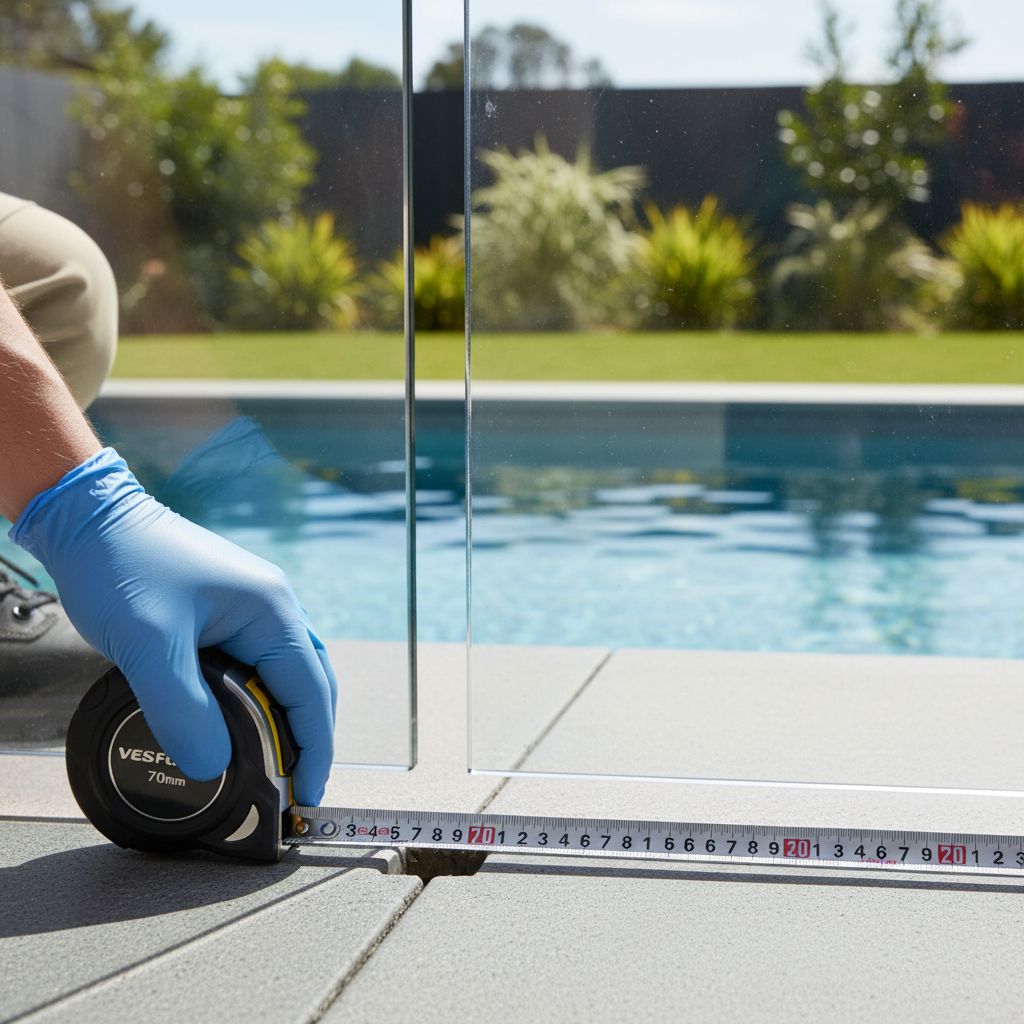
Explain why you want the change
Begin with the practical reason for the proposal. You might want to replace a damaged component, change the appearance of a fence or coordinate a broader landscaping project. State the reason in ordinary language without describing your preferred product as a compliant solution. A professional needs to understand the existing situation before advising whether the proposed approach is suitable. If the issue is an observed defect or current damage, say so clearly and seek prompt advice about the immediate condition rather than treating it as a future cosmetic project.
Separate what you want to achieve from the method you have imagined. For example, a request for easier authorised access can be discussed without specifying an improvised latch arrangement. Do not remove, adjust or disable barrier components to demonstrate the idea. A retailer's product listing or a photograph of another property is a reference for a conversation, not a design for your enclosure. This distinction helps prevent an early purchase from becoming the assumption that drives every later decision about the work.
Describe the existing setting accurately
Provide the property address and a plain description of the affected location. Identify which gate or section you mean if the pool has several access points. Explain whether the proposal is within a private yard, beside common property or along a boundary. Do not decide ownership from the direction a fence faces or from who usually maintains the garden. If that information is uncertain, state the uncertainty and ask the appropriate adviser or property representative how it should be established.
Include the surrounding context that may affect the professional's assessment. Mention nearby structures, planned garden work, existing changes and access limitations. Photographs taken with permission can help explain the layout, but do not present a collection of close views as complete evidence of the site's condition. Ask whether an onsite assessment is needed and what information should be available for it. Do not lean over, climb or interfere with a barrier to obtain an image or measurement. The brief should describe the setting without creating a new risk.
Which records should accompany the proposal?
Locate any relevant inspection report, certificate copy, building documentation and earlier work description already held for the property. Keep original files and dates, and explain who supplied each document. If an inspector has identified a matter requiring attention, send the complete report rather than copying a single sentence into a quotation request. A contractor needs the context, and the issuing inspector should be asked to clarify any point that is not understood before the proposed work is treated as a response.
State whether you know of changes made after those documents were issued. It is acceptable to say that the history is incomplete. Do not fill a gap with an estimate that later readers may mistake for a confirmed date. Queensland Government pool fence and barrier guidance provides the official starting point for questions about replacement work and requirements. Use it to identify the need for professional clarification. This planning guide does not specify fence dimensions, select hardware, establish an approval exemption or authorise any work.
Ask about professional roles before comparing proposals
Ask who will assess the proposal, who will design or specify the work where required, who will undertake it and who will handle the relevant inspection or certification. These roles may involve different people. Request the appropriate credential information and use official channels to check it. Do not assume that a general maintenance description covers every task affecting a pool enclosure. Explain the actual proposed work so the professional can tell you whether it falls within their scope.
Get the responsibilities in writing as part of the quotation or engagement discussion. Ask who will clarify approvals and who will coordinate with an existing inspector if the proposal arises from a report. QBCC's inspection guidance explains the inspection role; it should not be read as a promise that any business offering inspections will perform your construction work. If a person excludes part of the task, keep that exclusion visible and find out how the missing part will be addressed before treating the proposal as complete.
Make approvals and authority explicit questions
Ask the relevant professional what approvals, notices, permissions or documentation need to be addressed for the specific proposal. Supply the location information and existing records needed for that answer. Do not rely on a general claim that a small job never needs approval or that replacing something in the same place settles every requirement. Keep the reply with the proposed scope, including any qualifications. Where local government advice is needed, identify the authority responsible for the actual property rather than assuming every Sunshine Coast address has the same administrative contact.
For a body corporate or adjoining-property situation, clarify who can instruct the work and which management or ownership processes must be followed. A neighbour's informal agreement about appearance may not answer the separate question of pool barrier requirements. Avoid treating the contractor's willingness to quote as evidence that authority has been obtained. The shared-pool coordination guide helps organise contacts and records, but it does not resolve ownership or approve expenditure. Those decisions belong with the appropriate owner, representative and professional advice.
Build a professional change brief
Identify the proposal and the uncertainty so your enquiry reaches the right discussion.
This brief is not a design, approval or repair instruction. No option confirms that a proposed change is compliant.
Give a contractor a scope they can respond to
Prepare a short written brief that describes the location, purpose and existing issue, followed by the records you are providing. Ask for a proposed scope, exclusions and the information required before a firm arrangement can be made. Keep your preferences separate from professional requirements. If appearance matters, describe the preference as something to be considered subject to suitable assessment. Do not specify a component simply because it resembles what a friend used at another property.
When comparing quotations, look for differences in the tasks included rather than assuming the lowest total describes the same work. Ask whether removal, site access, coordination, documentation and follow-up attendance are included where relevant. Do not invent allowances for excluded items or use an internet price range as evidence of what your property should cost. If a quotation contains technical terms you do not understand, request an explanation. An agreed scope should be understandable to the owner while preserving the professional details needed by the people carrying out and assessing the work.
Plan the work sequence without weakening the enclosure
Ask the appropriate professional to explain how the work will be managed while it is underway, including any temporary arrangements needed for the site. This is a planning question for them, not an invitation to improvise a temporary barrier or leave a gate disconnected. Tell them about residents, pets, other contractors and any restricted access. A schedule should address the actual occupied property, not simply the delivery time for new materials.
Do not begin removal or adjustment because a supplier has confirmed a delivery date. Make sure the required advice, permissions and work arrangements have been settled by the responsible people. If the proposal is linked to a property sale or tenancy, ask your adviser how the work sequence interacts with that transaction. Keep proposed dates distinct from confirmed appointments and completed stages. An owner can coordinate communication and access, but should not replace the professional's method with an improvised solution to keep a booking or meet a preferred deadline.
What if the scope changes once work begins?
Ask the contractor to explain any material change before it becomes an undocumented departure from the agreed proposal. Record what prompted the change, which part of the scope is affected and what professional clarification is needed. If the revised plan affects the inspection arrangements, tell the inspector through the appropriate contact. Do not assume an earlier discussion approves a different product, location or configuration just because the overall purpose of the job remains the same.
If work has already started before the questions in this guide were considered, describe the actual position promptly to an appropriate professional. Explain what has been removed, installed or altered without attempting to conceal the sequence. Seek advice about the current condition and the correct next steps. Do not use this article to decide that the work can continue or that a photograph proves it is acceptable. The preparation tool has a specific choice for work already started so the resulting brief identifies the need for immediate clarification rather than treating the proposal as an untouched idea.
Keep completion records factual
When a contractor reports completion, ask for a description of the work actually undertaken and retain the relevant invoice, product information and correspondence. Check whether the description matches the agreed scope or records a variation. If something differs, seek clarification before telling another party that the project is finished in every respect. The contractor's completion record describes their work; it does not replace any separately required inspection or certification process.
Ask the appropriate professional what remaining assessment or documentation is needed and how to arrange it. Where the work followed a written inspection report, keep contact with the issuing inspector about the return process. The return visit preparation guide explains how to organise the supporting records without predicting the outcome. Avoid circulating before-and-after photographs as evidence that the barrier now complies. They may show what changed, while the assessment must come from the authorised process and the actual issued documents.
Store a record that explains the change later
Keep the initial brief, advice received, agreed scope, approved variations and final documents in one property folder. Label the difference between a proposed drawing and a record of the completed work. Retain the dates and source of each file so someone handling a later sale or management handover can understand the sequence. Do not rename every document final, because that word can hide whether a file describes a quote, a construction stage or an inspection outcome.
A useful example is a planned garden alteration beside an existing enclosure. The owner explains the proposed layout and supplies the earlier inspection record. A professional identifies the questions that need resolving before the landscaper fixes the scope. The owner then retains that advice with the agreed plan and any later inspection documents. The brief helps connect the people involved; it does not tell the owner where to place structures or how to achieve compliance. That boundary is what makes the planner appropriate for early conversations about a specific property.
After the project, keep maintenance information available without merging it into the inspection record. A product warranty answers a different question from a certificate or report. When another person asks whether a later change was assessed, supply the actual documents and identify any missing information. This is particularly useful for Sunshine Coast properties managed remotely, where the person organising the work may not be the owner who eventually hands the records to a buyer.
Before the first enquiry, remove product assumptions from your description and check that it still explains the purpose of the work. If the brief becomes meaningless without naming a particular latch or panel, describe the underlying concern more clearly. A professional may identify a different scope once the setting is assessed. Keep any brochure or reference photograph as a preference attachment and label it accordingly. This gives the person advising you room to assess the actual property rather than simply pricing an assumed solution. When the advice arrives, record the reason for the chosen approach so a later variation can be considered against that same purpose.
| Topic | Question for the appropriate professional |
|---|---|
| Scope | What is included and what still needs assessment? |
| Authority | Who must authorise the proposal for this property? |
| Work sequence | How will the site be managed during the work? |
| Outcome records | What documents and further attendance may be required? |