Sunshine Coast, Queensland | Planning guide
Organising a return visit after a pool inspection report
Start a return inspection request with the written report and the inspector who issued it. A useful preparation file shows what has happened against each reported item and what still needs clarification. It does not convert repair receipts or photographs into an inspection outcome.
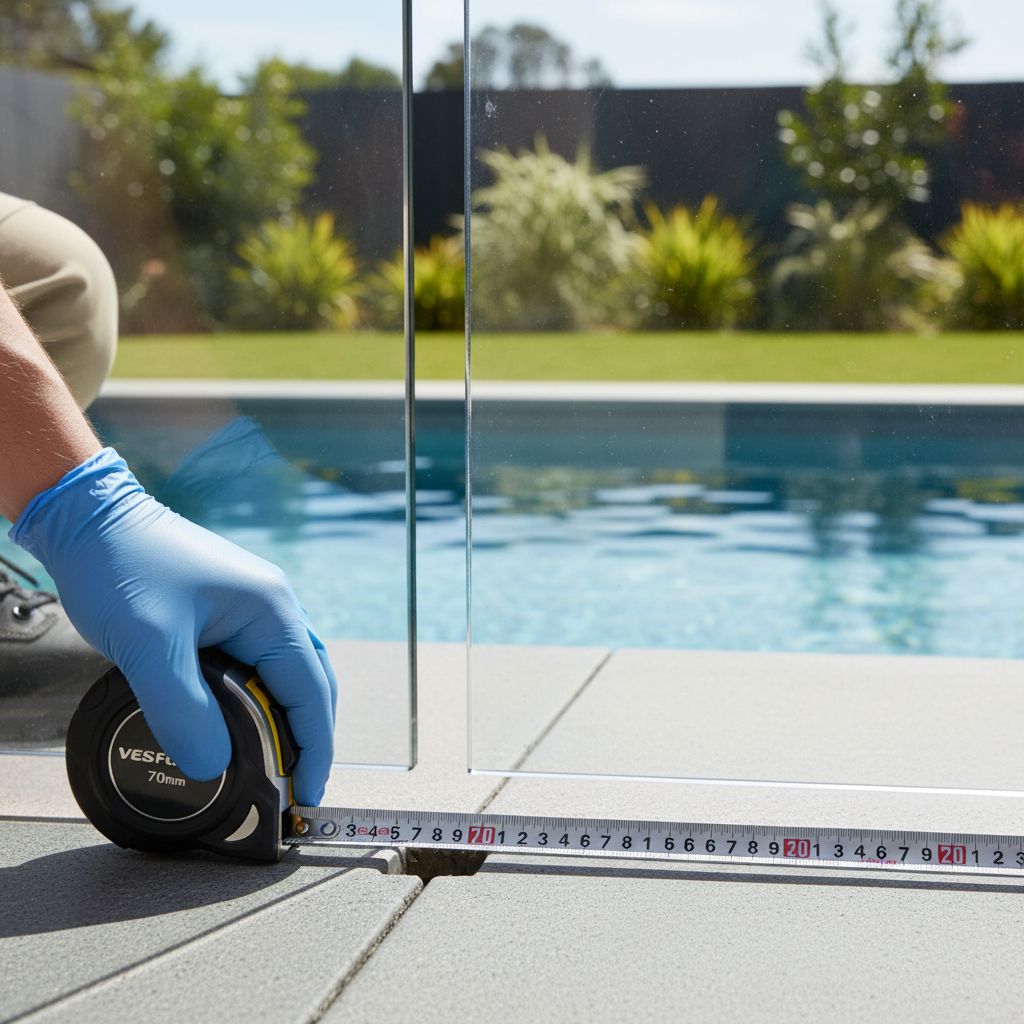
Use the original written report as the starting point
Save the report exactly as it was supplied, including attachments, photographs and accompanying correspondence. Record the inspection date, the issuing inspector and the property details. If the document refers to another notice or attachment you cannot find, request it from the issuer. Avoid beginning with a contractor's recollection or a message summarising the problem. Those may be useful supporting information, but the written report is the common reference that lets everyone discuss the same item.
Contact the original inspector about the return process and any applicable requirements. Do not assume that engaging a different person is simply an administrative substitution. QBCC's inspection and non-conformity guidance explains the official process. Ask the inspector to clarify how that process applies to your report and any transaction underway. This guide does not calculate a deadline or decide whether an exception applies. Where a sale or tenancy is involved, put the written information in front of the appropriate adviser as well.
Which items need explanation before work is arranged?
Read the report without attempting to translate technical descriptions into a repair plan. Mark the wording you do not understand and ask the inspector a focused question using the original item reference. For example, ask which location an observation refers to if the property has more than one gate. Do not guess based on the most visible defect. A clear explanation of the reported concern helps you request a suitable professional response without inventing your own dimensions or hardware instructions.
Keep the clarification beside the report and forward it to the person preparing the work proposal where appropriate. If someone explains an item verbally, write down your understanding and ask them to correct it. A conversation can easily lose a qualification when it is repeated through an owner, manager and contractor. Do not alter the report itself to incorporate your notes. Keep the original, the clarification and the proposed work as separate records so their authorship and purpose remain clear.
Create a factual record for each reported item
Use a simple tracking sheet with the report reference, location, question owner, work record and next action. Choose status words that describe events: clarification requested, quotation received, work scheduled, contractor reports complete or return visit requested. Avoid status labels that sound like an inspection verdict. A completed work task and a favourable inspection outcome are different events, and your tracking sheet should allow for both without implying that one automatically produces the other.
Attach records only to the items they actually describe. If an invoice says general maintenance, ask the contractor for a factual breakdown rather than allocating it across every report entry. Where one piece of work relates to several observations, identify that relationship as the contractor's description and invite the inspector to consider it. If an item remains untouched, leave it visibly open. Removing inconvenient entries from the tracking sheet may create an apparently tidy brief while hiding exactly the information the inspector needs before deciding how to arrange the visit.
Brief the professional undertaking the work
Supply the complete relevant report and ask the contractor to explain the proposed scope in their own written quotation. Confirm what is included, what is excluded and what information they need before starting. Ask the appropriate professional to clarify any approval, licensing or inspection requirements for the proposed work. Do not instruct someone to copy a repair seen in an online photograph or adjust a latch until it seems satisfactory. This page provides no barrier alteration method.
If a contractor suggests an alternative response, send the proposal to the appropriate professional for clarification before relying on it. A cheaper or faster option may involve a different scope, and it should not be treated as equivalent merely because both descriptions mention the same gate. Queensland Government barrier guidance is the official starting reference for work affecting an enclosure. Use that guidance to seek the correct advice, while leaving the design and execution of the work to people qualified and authorised to undertake it.
Record changes during the work
Ask the contractor to tell you when the planned scope changes or another issue becomes apparent. Preserve the revised description with its date and the reason for the change. If the work affects an area outside the original request, explain that to the inspector before seeking a return appointment. Do not let the administrative brief say only same as quoted when the contractor has used a different arrangement. Accurate records are more useful than a neat but incomplete account.
Where photographs are provided, keep the originals with the work description. Identify which view belongs to which location and when it was taken. Photographs can help explain the sequence; they cannot substitute for an inspector's assessment. Do not repeat tests, force components or interfere with the enclosure to produce evidence for the file. If there is a current safety concern, contact the responsible professional promptly for advice on the immediate situation rather than waiting to finish the document bundle or treating the appointment calendar as the response.
Prepare your return-visit request
Choose your report and work status to build a factual brief for the inspecting professional.
The brief gives no pass prediction or legal deadline. The issuing inspector must explain the applicable process and assessment requirements.
When is it useful to request the return appointment?
Speak with the inspector about scheduling while keeping your description of the work accurate. If the contractor has not finished, say what remains and whether the completion timing is confirmed or estimated. Ask what information the inspector needs before accepting the attendance request. Avoid telling a buyer, tenant or manager that a certificate will be available on a particular day because a visit has been discussed. The assessment outcome is not something an appointment organiser can promise.
Provide any relevant transaction dates to your conveyancer or property manager and ask for advice specific to those commitments. A report, a booked contractor and a proposed inspection may each have different implications for the transaction. Do not assume that ongoing work changes an applicable legal deadline. Keep the professional advice with the file, and update the parties when the factual position changes. The aim is to let each responsible person make decisions using the same current information instead of a series of optimistic estimates passed along as confirmed dates.
Confirm the return visit's practical arrangements
Send the inspector the property reference, original report details and a concise summary of what has happened since the first visit. Ask how they prefer to receive attachments rather than sending a large collection of unrelated photographs. Identify the onsite host and the person authorised to answer questions if the original owner or manager cannot attend. Tell the booking contact about any access restriction, current building work or area that may still be unavailable.
Arrange permission for entry through the proper owner or management process. Confirm pets, residents and other contractors have been considered in the appointment plan. Do not leave a barrier open to save the inspector time, and do not circulate key locations in a message copied to everyone handling the sale. The inspection access guide provides a separate attendance planner. Keep the work summary focused on the report while using an appropriate private channel for access details that only the authorised host and inspector need.
Use the visit to obtain the professional assessment
Have the relevant records available for the person attending and avoid presenting your tracking sheet as a conclusion. If the inspector asks about a particular change, provide the contractor's description or connect them with the person who undertook the work. It is better to say that you do not know than to infer what happened behind a fitting or beneath a surface. Where information is missing, ask how to obtain it and how that affects the next step.
Let the written outcome record the assessment. If further matters are identified, request clarification and add the resulting administrative tasks to your file. Do not assume the return visit is limited in a way that the inspector has not agreed or that previously supplied photographs oblige them to issue a particular result. Keep attendance, assessment and document issue as distinct stages in communications to others. That makes it possible to provide an honest update even when the visit has occurred but a question still requires an answer.
Respond to another unresolved item methodically
If the next written outcome still identifies an issue, compare it with the earlier record using the inspector's references. Ask whether the item is unchanged, whether the completed work needs further attention or whether the new information concerns a different area. Record the answer without rewriting the history to make the sequence look simpler. This is especially useful when a manager has changed or different contractors worked on different parts of the enclosure.
Where accounts conflict, request clarification from the relevant professionals and follow the appropriate official process if necessary. Do not choose a technical answer by majority vote among people copied into an email. If a contractor says their scope is complete while the inspector identifies an unresolved matter, preserve both documents and ask for the specific difference to be explained. Keep purchase, tenancy or committee contacts informed through the appropriate representative. An accurate account of an unresolved issue is more useful than an unsupported statement that it is almost certain to pass next time.
Close the administrative file only to the extent supported
When the inspection documents arrive, check the property details and retain the complete files. Circulate them to the authorised recipients through the agreed channel. Record the exact document supplied and date received instead of using a generic tick labelled done. Keep the earlier report and the work correspondence as the history of the process. If the professional outcome still requires action, leave those matters open and name the next contact.
Consider a practical example: the report lists several locations, the contractor supplies one broad invoice, and the owner wants the return visit booked immediately. The useful next step is to obtain a description linking the work to the locations and ask the issuing inspector what remains necessary. The invoice alone does not justify declaring every item resolved. The planner above produces a short preparation brief for this kind of situation. It does not review photographs, judge workmanship, calculate notice periods or tell you that the pool is safe.
Before archiving the file, make sure someone can answer a later question about why a particular action was taken. Keep the clarification that led to the scope, the revised work description and the issued inspection outcome together. If a document is still awaited, add a specific request and a contact rather than a vague reminder to chase it. That record can then support an owner handover or management transition without asking the next person to reconstruct the entire sequence from isolated messages.
Keep a small example of the record structure
A useful entry might say that report item B refers to the side gate, a contractor's description was received on a recorded date, and the inspector has been asked to confirm what is required for reassessment. Attach the source documents rather than copying fragments into the status cell. If the contractor later changes the scope, add the new description and explain that it supersedes the earlier proposal for planning purposes. Do not erase the first proposal, because it may explain why a quotation, approval or appointment changed.
This structure also helps when the owner is away from the Sunshine Coast and a property manager is coordinating locally. The manager can describe the current position without promising a result, and the owner can see which decisions need their attention. Agree who is checking for the inspector's reply and who will pass it to the contractor. The next action then has an accountable person, while the technical decision remains with the appropriate professional.
| Use this description | Avoid implying |
|---|---|
| Contractor reports work complete | That an inspection outcome has already been issued |
| Return appointment requested | That attendance is confirmed |
| Inspector clarification received | That the owner's interpretation is the report |
| Written outcome supplied | That a booking or invoice is a certificate |