Sunshine Coast, Queensland | Planning guide
Coordinating a shared-pool inspection
A shared-pool inspection needs an agreed organiser, reliable access and a clear destination for the written outcome. For a Sunshine Coast body corporate or building manager, the practical work starts with identifying who can instruct the inspector and who can make the visit happen.
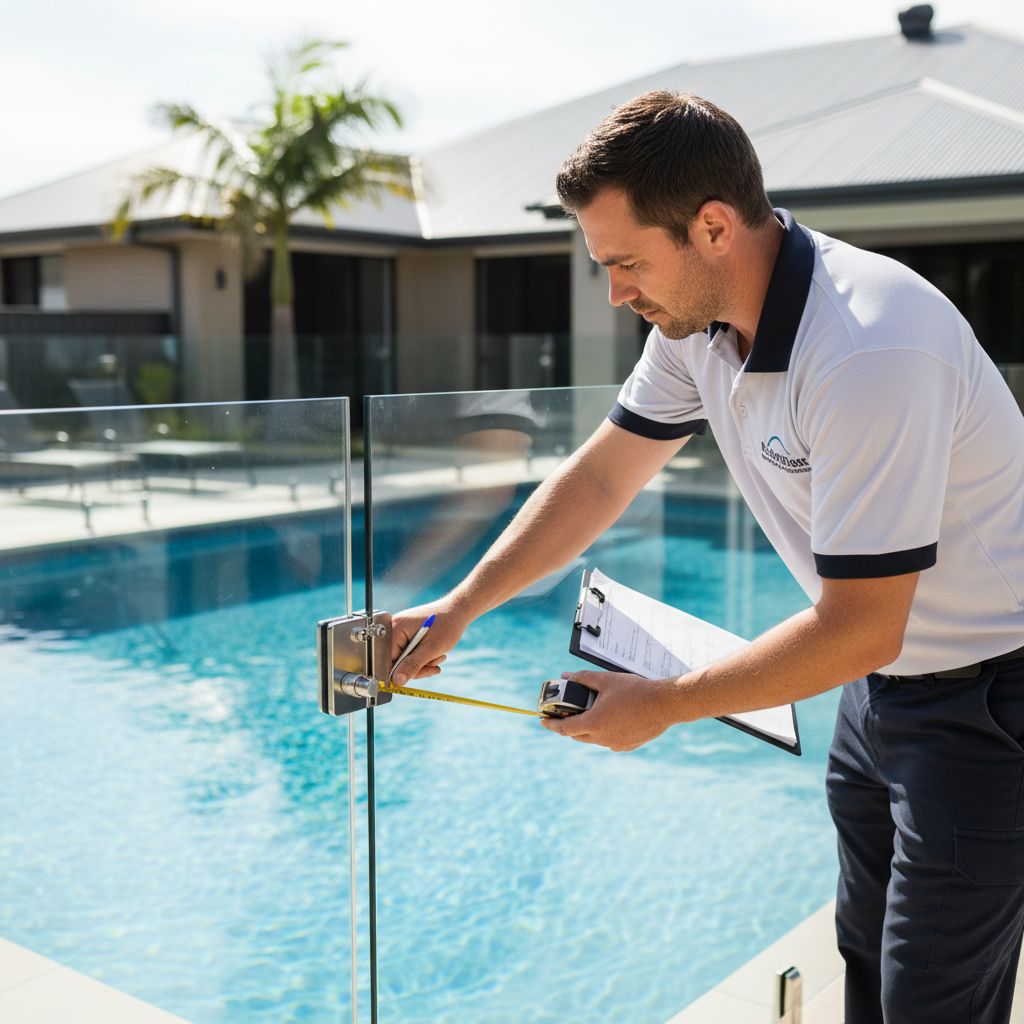
Confirm the pool and the people involved
Start with a description of the actual facility rather than the name of the complex alone. Identify the pool areas, separate spas and controlled entries you know about. A resort style property might use one trading name for several buildings, while a body corporate record may use another description. Put the street address and relevant building or scheme reference in the inspection enquiry. Ask the management contact to confirm that the document bundle relates to these facilities before passing it to the inspector.
Write down the roles of the people involved: the person instructing the service, the person approving the expense, the onsite host and the person receiving the written result. One person may perform several roles, but do not assume that holding keys gives someone authority to commission work. QBCC's shared-pool guidance identifies responsibilities associated with these arrangements. Where the pool ownership or management structure is uncertain, seek professional clarification rather than allocating a legal responsibility through an informal spreadsheet.
What instruction can the organiser actually give?
Before requesting a firm booking, establish which approval process applies to the engagement. The committee, manager and caretaker may have different roles under the property's arrangements. Ask the authorised representative to confirm the scope being requested and who can approve a change if the inspector needs additional information or attendance. Keep the instruction in the property file. A message asking someone to gather quotations is not necessarily an instruction to accept a service or authorise remedial work.
If the organiser changes during the process, hand over the correspondence and the precise state of the request. Distinguish a quotation received from a quotation accepted, and an appointment proposed from an appointment confirmed. These distinctions matter when an incoming manager inherits a busy inbox. Record the approval reference used by the organisation, without publishing private committee correspondence more widely than necessary. The inspection provider should receive a clear instruction from an appropriate contact, not conflicting messages from several residents who each believe they are coordinating the visit.
Assemble records before the booking conversation
Ask the current record holder for complete certificates, earlier inspection reports and correspondence relevant to the proposed visit. Retain original dates and attachments. Where documents have been passed between managers, check whether references to attachments actually have matching files. Make a short index describing what each document is and who supplied it. Do not interpret an old file as proof of the present barrier condition or remove a report because another participant considers the matter closed.
If work has occurred since the earlier inspection, request factual records describing that work. Keep contractor documentation separate from inspection outcomes. Where an earlier report remains unresolved, contact the issuing inspector about the follow-up process before arranging a replacement engagement. The return inspection preparation guide explains how to organise questions against the written report. Your administrative file should show what is known, what has been requested and what still needs an answer, without inviting the coordinator to decide technical compliance.
Plan access across the complete inspection area
Walk through the proposed attendance arrangements on paper with the onsite host. Identify the agreed meeting point, controlled entries and any areas included in the scope that require another person's permission. Do not assume that the usual pool cleaning route gives the inspector access to everything they need. Ask the inspector what access they require and tell them about restrictions before confirming the visit. A caretaker should not be expected to improvise entry into a private residence or neighbouring property.
Keep access credentials in a restricted channel and share them only with authorised participants. A resident notice can identify a meeting time without including a keypad code or master key location. If several keys or access cards are involved, agree who will supply them, who may use them and how they will be returned. Do not arrange access by propping a pool gate open. If access cannot be provided as planned, contact the booking representative and obtain revised arrangements before the inspector arrives.
Give residents a useful, accurate notice
A resident communication should explain the purpose of the visit, the proposed attendance window and the contact for questions. Say which ordinary activities may be affected only after that information is confirmed by the authorised manager and inspector. Avoid saying that the inspection guarantees a particular outcome or that residents can rely on the pool being approved afterwards. If the timing remains provisional, label it clearly so residents do not rearrange their day around an appointment that has not been accepted.
Use the communication channels the property normally uses, while considering residents who may not see a single email. Ask the manager how owners, tenants and short-stay occupants will receive relevant information. Include a practical route for reporting access difficulties or pet arrangements without asking residents to publish personal details to a group. Any formal entry notice or legal access requirement belongs with the responsible manager and appropriate advice. This article supplies planning prompts; it does not create a lawful right of entry or determine the notice period for your property.
Build a shared-pool coordination brief
Choose the current management arrangements to identify the next administrative tasks.
This tool assigns preparation tasks only. It does not authorise expenditure, determine legal responsibility or certify a pool.
Coordinate other activity near the pool
Check whether gardening, cleaning, building work, deliveries or another contractor visit is planned around the same time. Tell the inspector about activities that could affect access or the condition being assessed. A schedule that looks clear in the manager's calendar may still conflict with a regular contractor who operates from a standing instruction. Ask the onsite host to identify those regular activities and obtain a definite response from the people responsible rather than relying on a general building announcement.
Do not ask a contractor to make a quick barrier adjustment just before the inspector arrives. If work is proposed, establish the appropriate professional process and explain it to the inspector in advance. Keep an accurate account of what is complete and what remains underway. Sunshine Coast weather may also affect an appointment, so agree how the host and booking contact will communicate if conditions disrupt access. A weather contingency is an attendance arrangement, not permission to leave the enclosure altered or to promise an inspection can proceed under any conditions.
Handle the inspection day through one contact
Give the inspector the name of the person who will meet them and confirm that this person has accepted the role. The host should know which records were supplied and whom to contact if a question goes beyond their authority. Ask how the inspector wants to handle operational questions during attendance. A resident may offer useful history, but the formal instruction should remain with the nominated contact so several conversations do not become competing requests.
Keep a short attendance record for the property file, including who attended and any administrative limitation reported. Do not write your own inspection conclusion from an informal conversation beside the gate. If access was unavailable or a document was missing, record the fact and ask how the inspector will address it in the written outcome. The QBCC inspection guidance provides the official context for the inspector's role. Let the issued documents express the professional finding instead of circulating a committee member's paraphrase as though it were the report.
Circulate the written outcome with its context
Agree in advance where the written result should be sent and who will maintain the master copy. When it arrives, check that the attachments open and correspond to the facility visited. Distribute it through the authorised management process with a short factual cover note. Identify any action requiring a decision, but keep the inspector's wording intact. Do not summarise a detailed report as everything sorted if it includes limitations, further requirements or questions that have not been answered.
Use separate communications for separate audiences where appropriate. The people approving expenditure may need the full administrative record; residents may need practical information about arrangements affecting them. Ask the responsible manager what document availability or display requirements apply, using current official guidance. Avoid placing private contact details or unrestricted access information on a public noticeboard. Record which version was distributed and who is responsible for replacing outdated administrative copies, so a later owner enquiry receives the actual current file rather than an attachment saved by a previous committee.
Assign follow-up actions without rewriting the report
If the written outcome requires further attention, list each administrative task against the relevant report reference. Examples include obtaining clarification, seeking a suitable contractor's quotation and arranging a discussion about a return visit. Identify the person authorised to approve each next step. The action list should point back to the report, not replace its technical descriptions with the coordinator's proposed repair method. Keep financial approval, work completion and inspection outcome as separate entries.
Where several people are involved, ask each person to confirm acceptance of their task and the next update they will provide. A name placed in a spreadsheet does not prove that the person knows about the assignment. If a contractor reports a change to the proposed scope, refer it through the appropriate professional and approval process. Do not mark the inspection issue resolved merely because an invoice has been paid. Only record the outcome supported by the actual documents received, and keep unanswered questions visible until a suitable person addresses them.
Make the next manager's handover usable
At the end of the coordination cycle, package the relevant records so a new manager could resume the work without searching a former employee's mailbox. Include the facility description, contact roles, original reports, approval references and unresolved actions. Keep a distinction between ongoing property management records and the private credentials used for a particular visit. Remove obsolete access instructions from routine circulation through the manager's normal process while retaining the appropriate business record of the appointment.
Consider an example in which the committee approved an inspection, the caretaker hosted the visit and the manager received the report. If the manager leaves, the successor needs the report and the outstanding action owner, not simply a calendar entry marked inspection done. The preparation tool on this page produces a brief tailored to that kind of coordination gap. Use it to establish the next practical conversation and then save the confirmed arrangements in the property's own record system. It does not authorise work or make decisions for the body corporate.
Before closing the file, ask whether every outstanding task has a route back to the authorised decision maker. A resident's sale enquiry may arrive while an inspection follow-up is still underway. The person answering should be able to supply accurate records and explain what is outstanding without guessing at an outcome. Reliable coordination depends on that continuity of information, particularly when committee members, letting agents and onsite staff have different attendance patterns and do not all see the same messages.
An outgoing coordinator can also record the communication route used for each audience. Explain whether inspection documents were sent to the manager, whether a resident notice was issued through the building system and who is waiting for a follow-up answer. Do not copy a large distribution list into an unrestricted folder as a shortcut. The successor needs the authorised process and the relevant contacts, with personal information handled through the organisation's normal arrangements. If nobody has accepted responsibility for an open matter, escalate that assignment to the authorised decision maker. Leaving a task unassigned should remain visible as an administrative gap, rather than being disguised by marking the overall inspection project complete.
| Role | Information to confirm |
|---|---|
| Engagement authority | Who can approve the requested service and changes to scope |
| Onsite host | Meeting point, access permissions and availability |
| Record custodian | Complete documents and the correct distribution list |
| Follow-up owner | Accepted task, report reference and next update |